Thursday, Aug. 21st
Another doctor's appointment under our belts. This one left us feeling less hopeful than the others. Not that we had worse news. Everything we know remained the same, but this delivery was less comforting. The meeting was with our medical oncologist. The professional name for the 'Chemo-doctor.'
We went over exactly the same things as we have in previous doctor visits:
"Do you have any allergies?"
"Any cancer in your family history?"
"When did you feel the lump?"
"The results of the biopsy are this..."
"This is the treatment we will use."
"Do you have any questions?"
We did have questions, but the answers left us confused and concerned.
Beth found herself re-asking questions multiple times. Also, the questions were not answered in a way laymen could understand. Which further magnified our anxiety. I felt like she did not have much consideration for patient compassion or perhaps she just didn't have the empathy that we needed. The encounter did not go the way we had anticipated. In a nutshell, we wanted/expected another Dr. Vaughan.
When this doctor left the room, Beth turned to me and asked, "Do you feel comfortable with this?" She was 'freaked.' She was no longer at ease with the position she was in. The exact same position she was in a week ago when Dr. Vaughan left us feeling completely optimistic. And it was all because of the way information was conveyed. Beth now was confused and questioning how bad the diagnosis was and whether this was the right doctor for her.
Trying to be fair, I told her that this doctor would not be the person we would be interacting with regularly. The nurses and receptionists, that work side by side this doctor everyday, are the people who will be taking care of Beth. They are the people who see these patients day after day; getting to know them, connecting with them, comforting them. They are the soldiers standing with the people fighting this disease.
"Wait. You'll see." I said
The doctor returned and led us into what I'll call the 'treatment' room. She introduced us to the nurses who would be administering the chemotherapy drugs. One nurse, Mary, gave Beth a strong hug and said, "We're going to take good care of you." Beth broke out into tears. This was the affection she needed from her caregiver. The fear wasn't gone, but it was attenuated. Then we walked up to the front desk to make more appointments. There we encountered more maternal souls. They all acknowledged concerns we had before we even expressed them. I was back to my optimistic mark. Beth was not quite there yet, understandably so.
We went home and Beth again began to "research" online. It is incredible how your state of mind can affect the way you interpret information. The same material she had been reading days ago now had an air of doom. I threatened to destroy my precious iPad if she did not move on to more positive websites, like food network or etsy.
The next day I encouraged her to contact Dr. Vaughan to express her concerns. Beth called and the nurse said she would have Dr. Vaughan call her back. She was speaking to her 10 minutes later. I breathed a sigh of relief when Beth called me and told me everything Dr. Vaughan said to her that morning. "Stay the course.", "I trust the medical oncologist's plan of attack.", as well as what I thought: that the men and women in that oncologist office will be the visible supporters of her well being and sanity.
I know that just because someone's "beside" manner is not what we need, it does not indicate a lack of competence. I honestly do trust that everything she prescribes, for Beth's treatment, will be the best. And her only intention is for Beth's full recovery. But, physical medicine is not the only medicine. We all need understanding and hope.
My eyes have science colored lenses. What comes to mind now is trigonometry. So here we have encountered our first oscillation with an amplitude both high and low.
a wave.
a curve rising to optimism.
falling to lack of hope. then back to somewhere above the zero mark.
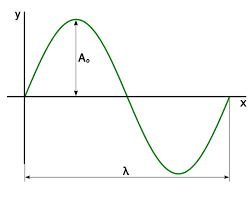
There will be more of both.
Another doctor's appointment under our belts. This one left us feeling less hopeful than the others. Not that we had worse news. Everything we know remained the same, but this delivery was less comforting. The meeting was with our medical oncologist. The professional name for the 'Chemo-doctor.'
We went over exactly the same things as we have in previous doctor visits:
"Do you have any allergies?"
"Any cancer in your family history?"
"When did you feel the lump?"
"The results of the biopsy are this..."
"This is the treatment we will use."
"Do you have any questions?"
We did have questions, but the answers left us confused and concerned.
Beth found herself re-asking questions multiple times. Also, the questions were not answered in a way laymen could understand. Which further magnified our anxiety. I felt like she did not have much consideration for patient compassion or perhaps she just didn't have the empathy that we needed. The encounter did not go the way we had anticipated. In a nutshell, we wanted/expected another Dr. Vaughan.
When this doctor left the room, Beth turned to me and asked, "Do you feel comfortable with this?" She was 'freaked.' She was no longer at ease with the position she was in. The exact same position she was in a week ago when Dr. Vaughan left us feeling completely optimistic. And it was all because of the way information was conveyed. Beth now was confused and questioning how bad the diagnosis was and whether this was the right doctor for her.
Trying to be fair, I told her that this doctor would not be the person we would be interacting with regularly. The nurses and receptionists, that work side by side this doctor everyday, are the people who will be taking care of Beth. They are the people who see these patients day after day; getting to know them, connecting with them, comforting them. They are the soldiers standing with the people fighting this disease.
"Wait. You'll see." I said
The doctor returned and led us into what I'll call the 'treatment' room. She introduced us to the nurses who would be administering the chemotherapy drugs. One nurse, Mary, gave Beth a strong hug and said, "We're going to take good care of you." Beth broke out into tears. This was the affection she needed from her caregiver. The fear wasn't gone, but it was attenuated. Then we walked up to the front desk to make more appointments. There we encountered more maternal souls. They all acknowledged concerns we had before we even expressed them. I was back to my optimistic mark. Beth was not quite there yet, understandably so.
We went home and Beth again began to "research" online. It is incredible how your state of mind can affect the way you interpret information. The same material she had been reading days ago now had an air of doom. I threatened to destroy my precious iPad if she did not move on to more positive websites, like food network or etsy.
The next day I encouraged her to contact Dr. Vaughan to express her concerns. Beth called and the nurse said she would have Dr. Vaughan call her back. She was speaking to her 10 minutes later. I breathed a sigh of relief when Beth called me and told me everything Dr. Vaughan said to her that morning. "Stay the course.", "I trust the medical oncologist's plan of attack.", as well as what I thought: that the men and women in that oncologist office will be the visible supporters of her well being and sanity.
I know that just because someone's "beside" manner is not what we need, it does not indicate a lack of competence. I honestly do trust that everything she prescribes, for Beth's treatment, will be the best. And her only intention is for Beth's full recovery. But, physical medicine is not the only medicine. We all need understanding and hope.
My eyes have science colored lenses. What comes to mind now is trigonometry. So here we have encountered our first oscillation with an amplitude both high and low.
a wave.
a curve rising to optimism.
falling to lack of hope. then back to somewhere above the zero mark.
There will be more of both.
Comments
Post a Comment